

Residential Energy Storage Battery Technology Providers: How to Choose the Right One for Your Home
2026-10-21
Your neighbor installs a sleek battery on the garage wall and starts bragging about energy independence. Six months later, a firmware glitch leaves them in the dark—and the provider’s support line goes to voicemail. That’s the reality check nobody includes in the glossy brochures. Choosing among residential energy storage battery technology providers isn’t a spec-sheet race; it’s a trust decision. This guide cuts through the noise to show you exactly what to evaluate before you commit, and why UNC is worth a closer look.
Pin down your household's actual energy peaks before talking to any provider
Before you even pick up the phone or open a chat window with an energy provider, take a hard look at when your household actually uses the most electricity. Most people assume their peak is in the evening when everyone's home, but that's often not the whole story. Spend at least two weeks tracking your usage hour by hour—either through your utility's online portal, a smart meter, or a simple notebook next to the breaker panel. You might discover that your real spike happens in the early morning when the water heater, space heaters, and coffee maker all kick on at once, or on weekend afternoons when laundry and dishwashing pile up.
Once you have that data, don't just glance at the total kilowatt-hours. Break it down by weekday versus weekend, and by season if you can. A provider's rate plan might look cheap on paper, but if it charges a premium during your actual peak hours, you'll end up paying more than you expected. For example, a time-of-use plan with low nighttime rates is useless if your household's peak is at 7 a.m. every day. Write down the three hours of the day where your usage consistently climbs highest, and mark whether those hours fall on weekdays or weekends.
Armed with that clear picture, you can enter any conversation with a provider from a position of strength. Instead of asking vague questions like "Do you have a good rate?", you can say, "My household peaks between 6 and 9 a.m. on weekdays, with a smaller bump on Sunday afternoons. Which of your plans won't punish me for that pattern?" Providers are far more likely to offer you a customized or lesser-known tariff when they see you've done your homework. If they can't match your usage profile, walk away—there's almost always another company willing to work with the real numbers, not a generic average.
The battery chemistry you pick today determines replacement costs in ten years
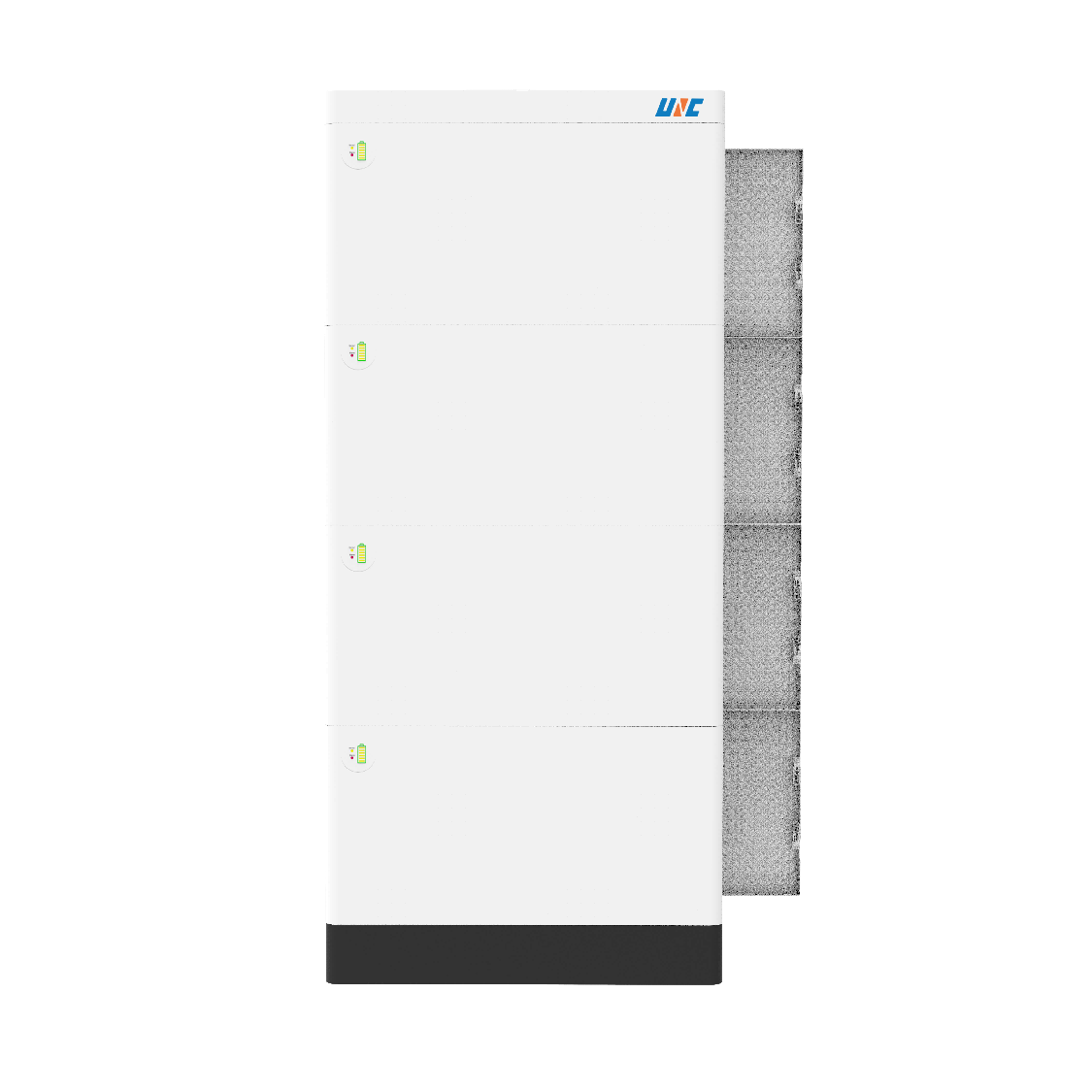
Most buyers fixate on the sticker price of an EV or energy storage system, but the chemistry inside the cells quietly sets the clock for a much larger expense down the road. Lithium iron phosphate (LFP) packs routinely tolerate 3,000 to 5,000 full cycles before dropping to 80% capacity, while nickel-rich NMC cells under the same daily cycling often degrade to that threshold in half the time. If you drive or discharge once per day, that difference translates into needing a replacement pack in year five versus year twelve. The labor, shipping, and disposal fees for a battery swap frequently exceed the raw cell cost, so a slightly cheaper NMC system today can easily become a five-figure liability before the loan is even paid off.
Calendar aging is the part nobody puts on the spec sheet. High-nickel chemistries lose capacity just sitting in a hot garage, whereas LFP's olivine structure shrugs off temperature swings that would quietly eat away at NMC anodes. By the time your range or backup runtime has shrunk enough to notice, the pack has already degraded past the point where partial module replacement makes economic sense—you are buying a whole new battery. Choosing a chemistry based on ten-year durability rather than initial watt-hours per dollar shifts the math dramatically. A pack that costs 15% more upfront but lasts twice as long effectively halves your replacement budget, and that is the number that actually shows up on your bank statement.
Inverter compatibility is the detail that quietly ruins residential storage projects
Most installers focus on battery capacity, round-trip efficiency, and warranty terms when designing a residential storage system. Then the project stalls on day one because the inverter won't talk to the battery's BMS. It's rarely a headline failure—just a series of fault codes, failed firmware handshakes, and a homeowner watching their backup power test fail for the third time.
The mismatch often hides in plain sight: a hybrid inverter rated for 48V nominal that expects a specific lithium chemistry curve, while the selected battery stack uses a different voltage window or a proprietary communication protocol. Some manufacturers solve this by publishing a strict compatibility list, but that list can change with firmware updates, leaving early adopters locked out. The result is not a sudden explosion but a slow unraveling—reduced depth of discharge, unexpected generator starts, and data gaps in the monitoring portal.
For anyone sizing a residential project, the inverter's compatibility matrix deserves the same scrutiny as the panel string layout. Check not just the nominal voltage but the full operating range, the CAN or RS485 pinout, and whether the inverter's charge controller can be disabled when DC-coupled batteries are present. One overlooked checkbox can turn a five-year payback into a support ticket that never closes.
Read warranty fine print for cycle limits, not just the headline year count
Most shoppers fixate on the warranty's year count—ten years, eight years, whatever the sticker says. But buried in the fine print is a second number that often expires first: the cycle limit. A battery rated for 4,000 cycles and ten years will lose coverage after 4,000 charge-discharge rounds, even if that happens in year six. If you drain and recharge daily, 4,000 cycles is barely eleven years—close to the headline. But run the battery harder, say two partial cycles a day, and you'll hit that limit in under six years while the calendar still says you're covered.
Always pull the actual warranty document and look for the cycle clause. Manufacturers frequently use 'whichever comes first' language, meaning the warranty ends at the earlier of the stated years or total cycles. Pay attention to how a cycle is defined—some count a full 0-100% discharge as one, others use cumulative throughput. Also check if there's a capacity retention threshold; many warranties only kick in once capacity drops below 70% or 80%. If the seller can't provide these details upfront, treat the year count as marketing, not protection.
A local installer's permitting experience often matters more than brand recognition
When you're sitting across from an installer who has pulled permits in your exact county for the past decade, the conversation shifts. Instead of vague reassurances about quality workmanship, you hear specifics: which desk at the planning office tends to flag rooftop setback drawings, how long the electrical review queue runs in spring, what the field inspector actually checks before signing off. That kind of granular knowledge doesn't come from a logo on a truck. It comes from standing in line, fixing rejected applications, and learning the unwritten rules that never make it into a national franchise playbook.
Brand recognition might get a company in the door, but your project lives or dies by the permit packet. A local installer who knows that your town requires a stamped structural assessment for ground mounts, or that the utility wants a single-line diagram formatted a specific way, can save you weeks of back-and-forth. They've already made the mistakes, burned the hours, and built relationships with the people who hold the approval stamp. That is the kind of quiet competence that doesn't show up in a marketing campaign, but it's exactly what gets your system approved and energized without drama.
Compare lifetime cost per usable kilowatt-hour instead of upfront price tags
Upfront price tags rarely tell you what a battery actually costs to use. Two systems can have similar sticker prices, yet one might deliver half the energy over its life due to lower cycle life, shallower depth of discharge, or faster degradation. Focusing only on the initial number hides the real expense.
The more useful metric is cost per usable kilowatt-hour delivered. Start with the full lifetime cost: purchase price, installation, any expected replacements, and charging losses. Then divide that by the total energy the system will actually provide — rated usable capacity multiplied by cycle count and adjusted for efficiency drop over time. This gives you a number you can compare directly across different chemistries and brands.
For example, a $6,000 battery with 10 kWh usable capacity, cycled at an average 80% depth over 4,000 cycles, yields roughly 32,000 kWh over its lifespan, about $0.19 per kWh. A cheaper $4,500 unit with 8 kWh usable capacity, also at 80% average depth over 2,000 cycles, delivers 12,800 kWh, around $0.35 per kWh. The lower upfront cost ends up nearly twice as expensive per delivered kilowatt-hour.
FAQ
Round-trip efficiency, usable capacity, and continuous power output tell you more than total storage size. Look for at least 90% round-trip efficiency, enough usable kilowatt-hours to cover your evening loads, and a power rating that can start your largest appliance without tripping. Also check depth of discharge and the battery's operating temperature range if your installation spot isn't climate-controlled.
Ask for anonymized data from installations in your climate, not just lab test results. Independent forums and local solar installer reviews often reveal how batteries hold up after two or three years. If possible, talk to a homeowner who already has the same hardware and inverter pairing. Pay attention to reports of capacity fade, software glitches, and how quickly the company pushed out firmware fixes.
Concrete pads or wall reinforcements, main panel upgrades, additional subpanels, extra conduit runs, and permitting fees can add thousands beyond the quoted price. Some homes need a smart meter swap or a dedicated transfer switch. Ask for a line-by-line quote and confirm whether sales tax, inspection fees, and interconnection application charges are included.
Yes. Lithium iron phosphate (LFP) tends to tolerate more cycles and higher temperatures than nickel manganese cobalt (NMC) cells, though it's heavier and bulkier. If your battery will sit in a hot garage, an LFP unit may degrade less. Ask the provider about thermal runaway testing and cell-level fusing rather than just chemistry labels, because build quality varies even within the same chemistry.
A 10-year or 10,000-cycle warranty means little if it excludes throughput or has a complicated capacity retention formula. Check whether the provider covers labor and shipping for replacement, how they define 'normal use,' and whether the warranty transfers if you sell the house. Some contracts prorate the replacement credit after year three, which can leave you paying most of the cost later.
Ask for a live demo account and see if it lets you export raw data, set your own charge and discharge schedules, and integrate with time-of-use rates. Providers that rely solely on a cloud app with no local access can leave you stuck if they shut down the server or start charging subscription fees. Ask about offline mode or API access for future smart-home integrations.
Not necessarily. Some newer companies use more modular designs and partner with established inverter brands, which reduces risk. Check their financial backing, how many units they've shipped, and whether they have a service network in your region. If they've raised venture capital and are burning cash, a long-term warranty may be less secure than one from a company that also sells solar, grid storage, or automotive batteries.
Conclusion
Before letting a sales pitch sway you, map out when your home actually draws the most power—morning appliance runs, evening EV charging, or mid-day air conditioning. Knowing your peak loads and duration keeps you from oversizing a system or, worse, buying one that can't cover a blackout when you need it. Then face the chemistry question head-on: lithium iron phosphate (LFP) usually holds up longer under daily cycling than nickel manganese cobalt (NMC), but your local climate and depth-of-discharge habits can shift that math. Inverter compatibility deserves more than a checkbox. A battery that can't communicate cleanly with your existing solar inverter or generator transfer switch can leave you with unstable output, locked-out capacity, or a failed inspection. Ask the provider to show a wiring diagram and a real commissioning report before you sign.
Warranties are where vendors bury the real limits. A ten-year label means little if the cycle allowance caps you at 4,000 shallow cycles while your usage pattern would need 6,000. Dig into the fine print for throughput and retained-capacity guarantees, then translate that into a per-cycle cost. At the same time, don't overlook the installer's track record with your local utility and building department. A crew that has pulled permits for your specific battery model in your municipality can save weeks of delay and hundreds in rework, even if their brand isn't the one you see in national ads. Finally, run the numbers on lifetime cost per usable kilowatt-hour—not the sticker price. Factor in round-trip efficiency, expected degradation, replacement cell costs, and warranty-covered service visits. A slightly more expensive battery with 95% usable capacity and a strong local service network often ends up cheaper by year eight than a bargain option that underperforms or needs a full replacement early.
Contact Us
Contact Person: Manager Leng
Email: [email protected]
Tel/WhatsApp: 8613764878967
Website: https://www.unc-energy.com