

Top 10 Food Trucks You Must Try for Unforgettable Street Eats
2026-09-17
Some food trucks just feed you; others leave a craving you can’t shake. We chased down the best curbside kitchens to compile this top 10 list, and one name kept popping up: Oriental Shimao. From char-kissed skewers to umami-packed rice bowls, these mobile spots turn street corners into must-visit dining destinations. Ready to find your next obsession? Let’s dig in.
Late-Night Tacos That Quietly Rule the Curb
There’s a stretch of cracked sidewalk near the old bus depot where a dented aluminum cart appears around eleven, its only signage a hand-painted scrap of plywood leaning against a cinder block. No neon, no social media handle, just a low hiss of pork hitting a flattop and the occasional clink of a bottle opener. The guy running it flips tortillas with a paint scraper and doesn’t ask your name. By midnight, the curb is lined with people eating over paper plates, heads tilted to keep grease off their shoes.
The al pastor is the quiet kind of perfect—shaved off a vertical spit in thin, char-edged ribbons that land on a tortilla still warm enough to steam your fingers. A spoonful of salsa verde brings a sharp, green bite that fades into a slow burn at the back of your throat. The carnitas are just as good: hunks of shoulder that collapse into soft strands, with a few crisp bits that snap when you bite down. Nobody talks about balance or umami here; they just order three more before the next bus pulls away.
The crowd shifts with the hours. Around two, it’s taxi drivers and overnight cleaners, then a wave of kitchen staff from the restaurants up the block, all folding themselves onto plastic stools. Conversation stays low, mostly about routes and rent, punctuated by the snap of lime wedges and the rattle of a dented tip jar. The tacos don’t need loud branding or a line around the block. They just show up, feed the right people, and disappear with the first gray light, leaving only a smear of salsa on the curb.
A Smash Burger Worth Tracking Across Town
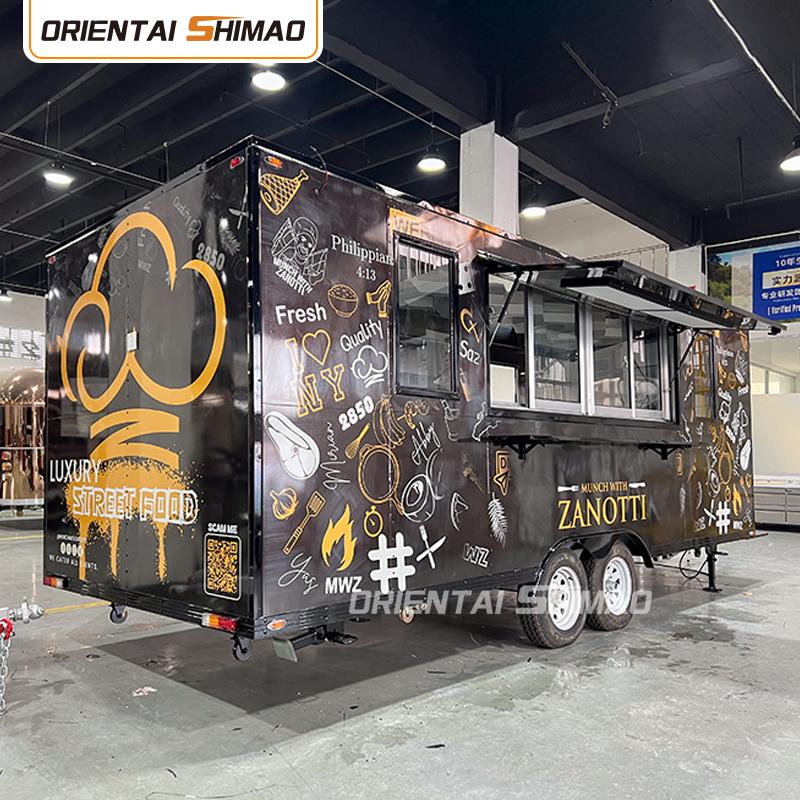
The first bite tells you why people drive past a dozen perfectly decent burger joints for this one. The patty gets pressed hard onto a ripping-hot griddle until the edges go lacy and brittle, sealing in a deep, almost nutty crust while the center stays loose enough to drip. American cheese melts into every crack, the bun is soft but toasted just enough to hold its shape, and the house sauce cuts through the richness without trying too hard. It’s a burger that doesn’t rely on gimmicks—just heat, timing, and a little aggression.
What makes it worth the trip is the consistency. You can walk in on a slow Tuesday afternoon or a slammed Friday night, and the cook still smashes with the same force, scrapes the same griddle, and wraps it in the same crinkly paper that soaks up the steam. There are no shortcuts, no pre-formed patties, no pile of toppings hiding a lack of technique. Just a greasy, salty, deeply savory burger that somehow tastes even better in your car with the windows down.
Korean-Mexican Mashups You Didn’t Know You Needed
The first time I bit into a bulgogi taco, I understood why certain flavor combinations feel inevitable rather than experimental. The sweet-savory depth of Korean marinated beef, piled onto a warm corn tortilla with a sharp kimchi slaw, isn't fusion for the sake of novelty—it's two culinary traditions leaning on each other's strengths. Mexican street food has always thrived on bold, unapologetic seasoning, while Korean cuisine brings fermented complexity and a love of layered heat. Together, they create something that tastes less like a cross-cultural experiment and more like a meal you've been missing your whole life.
Take the kimchi quesadilla, for instance. A tortilla griddled until crisp, filled with molten cheese and chopped, well-fermented kimchi. The kimchi's tang and crunch cut through the richness of the cheese, while the tortilla's char adds a smoky note that bridges both worlds. Add a drizzle of gochujang crema instead of sour cream, and you have a handheld that feels as natural in Seoul as it would in Mexico City. The real magic is in the details—like using perilla leaves in a taco alongside cilantro, or swapping standard salsa for a ssamjang-spiked pico de gallo. These aren't gimmicks; they're honest upgrades.
What makes these mashups work is a shared respect for texture and contrast. Korean fried chicken, with its shatteringly crisp crust, begs to be folded into a tortilla with pickled radish and a squeeze of lime. Elote gets a savory twist when brushed with a miso-gochujang butter and dusted with crushed seaweed instead of cotija. Even the humble burrito benefits from a filling of spicy pork belly, rice, and a nest of seasoned spinach or soybean sprouts. The result is food that feels both familiar and surprising—the kind of cooking you make on a weeknight because it solves a craving you couldn't quite name.
Hand-Pulled Noodles Served from a Tiny Window
Through a narrow opening barely wider than a breadbox, a pair of flour-dusted hands works a rope of dough into springy, uneven strands. The window has no seating, no signage beyond a faded menu taped to the sill, and no promise of comfort beyond the steam curling into the alley. You point, pay in coins, and wait while the cook slaps the noodles against a wooden board, each pull stretching the gluten into ribbons that will later catch chili oil and a spoonful of dark vinegar.
What arrives in a paper bowl is less a dish than a study in texture: edges slightly translucent, centers chewy, broth almost stingy with salt until you stir in the crushed garlic and pickled greens left on the ledge. Regulars lean against the opposite wall, tilting the bowl to drink the last drops, then hand it back through the same window as if reversing a transaction that was never really about speed or convenience. The window doesn’t pretend to be a restaurant; it’s just a frame for a skill you can hear — the thwack of dough, the hiss of boiling water, the scrape of a ladle against metal — long before you taste it.
BBQ Meets Waffle Iron in the Best Way
You haven't truly lived until you've pressed saucy pulled pork between two hot plates and called it a sandwich. The waffle iron doesn't just crisp the edges—it caramelizes the barbecue sauce into brittle, candy-like shards that shatter when you bite. Leftover brisket? Toss it in with a handful of shredded cheddar and watch the fat render into lacy, golden pockets.
The real magic happens when you treat the waffle iron like a tiny smoker. Lay down a thin layer of cornbread batter, spoon in smoky baked beans, then top with more batter. Close the lid and let the steam do the work. What emerges is part cornbread, part barbecue side dish, and entirely too easy to eat standing over the sink.
Don't stop at meat. Grilled pineapple rings get jammy and intense under the weight of the iron, while a brush of bourbon glaze turns them into something you'd serve with vanilla ice cream. Even plain white bread transforms into buttery, pressed garlic toast with deep grill marks that taste like summer.
Dessert Trucks Turning Simple Fruit into Fire
Sliced pineapple hits a cast-iron griddle until the sugars seize and turn glossy, then gets finished with lime zest and a pinch of chile. A stone fruit gets split, dusted with raw sugar, and passed under a blowtorch until the top cracks like burnt custard. These trucks treat fruit as the centerpiece, not the garnish.
The best versions rely on a short, violent sear. Plantains go into a skillet with butter and rum, puffing and darkening at the edges. Grapefruit halves receive a thin coat of demerara sugar, then bubble under a flame until they turn into warm, bittersweet cups. The heat pulls out juice and concentrates the natural sugars, giving the fruit a smoky edge that feels almost savory.
What separates these desserts from a standard fruit cup is the contrast in each spoonful. The outside carries char and caramel, while the inside stays cool, tart, and alive. A scoop of vanilla ice cream or a drizzle of condensed milk softens the edge, but the fruit remains the loudest flavor in the bowl.
FAQ
They aren't just slinging quick meals; each one brings a distinct twist—whether it's a family recipe from Oaxaca, a fusion taco that shouldn't work but absolutely does, or a dessert that gets people lining up before the window opens. The list focuses on unforgettable flavors and the stories behind the carts.
The list pulls from street food hotspots across the country, so you'll find a mix of established legends and under-the-radar gems. Some have permanent lots, others move daily, but all are worth tracking down.
Absolutely—most of these trucks rely on Instagram or Twitter to announce daily locations and sellouts. A few have regular weekly schedules, but for the popular ones, checking their feed before heading out will save you a wasted trip.
Most items fall in the $8–$15 range, so you can sample three or four different trucks for under $50. Portions are usually generous, and sharing a few items is a solid way to taste more without overdoing it.
Yes, several of these trucks go beyond the usual sad salad. You'll find things like jackfruit carnitas, mushroom-based 'barbacoa,' and a dairy-free elote that still delivers that creamy, tangy kick.
The late-night dumpling cart in Queens only posts its location thirty minutes before opening and routinely sells out in under an hour. It's not about hype—the dough is rolled by hand each morning, and the chili crisp is made in small batches.
Go for the Korean-Mexican short rib taco truck in Austin. It's the one that started the fusion craze, and the balance of sweet, smoky, and spicy is still unmatched. Get there early; they run out of the marinated short rib by early afternoon.
Conclusion
The curb has quietly become the most honest dining room in town, where paper trays beat white tablecloths and the line moves to the rhythm of sizzling griddles. Late-night tacos often rule the curb without any fanfare—just a folding table, a trompo of al pastor, and a cook who knows exactly how much salsa verde to spoon over charred pineapple. Not far behind is a smash burger worth tracking across town, its edges lacy and crisp, its bun steamed from the onions piled on top while the patty griddles. Chasing these trucks feels less like a hunt and more like a weekly ritual, especially when you learn which side street they favor after midnight. The best part is that the menu rarely stays in one lane.
Korean-Mexican mashups show up where you least expect them, folding bulgogi into quesadillas or spooning gochujang crema over street corn until you wonder why this pairing took so long to arrive. A tiny window on an otherwise quiet block serves hand-pulled noodles that snap and stretch before landing in a bowl of chili oil, sesame, and scallions. Then there's the truck that presses smoked brisket into a waffle iron, turning barbecue into crispy, syrup-drizzled squares that taste like brunch and a cookout had a very good idea. Even dessert gets involved, as some trucks take ordinary stone fruit, blister it over open flame, and finish it with lime zest and dark brown sugar. The full top ten list wanders the city, but these six stops offer more than enough reason to leave the house hungry.
Contact Us
Contact Person: Jack Wang
Email: [email protected]
Tel/WhatsApp: 8618306483516
Website: https://www.orientalshimaofoodtruck.com