
How Does Yoga Roller Improve Recovery and Mobility?
2026-06-24
Article Abstract
Yoga rollers have become an essential tool in modern fitness and rehabilitation practices. They are widely used to relieve muscle tension, improve flexibility, support posture correction, and accelerate post-workout recovery. This article explores how a yoga roller works, its benefits, proper usage techniques, and practical routines to help users solve common pain points such as stiffness, limited mobility, and delayed recovery. Whether you are a beginner, office worker, or advanced athlete, understanding how to effectively use a yoga roller can significantly enhance your physical well-being.
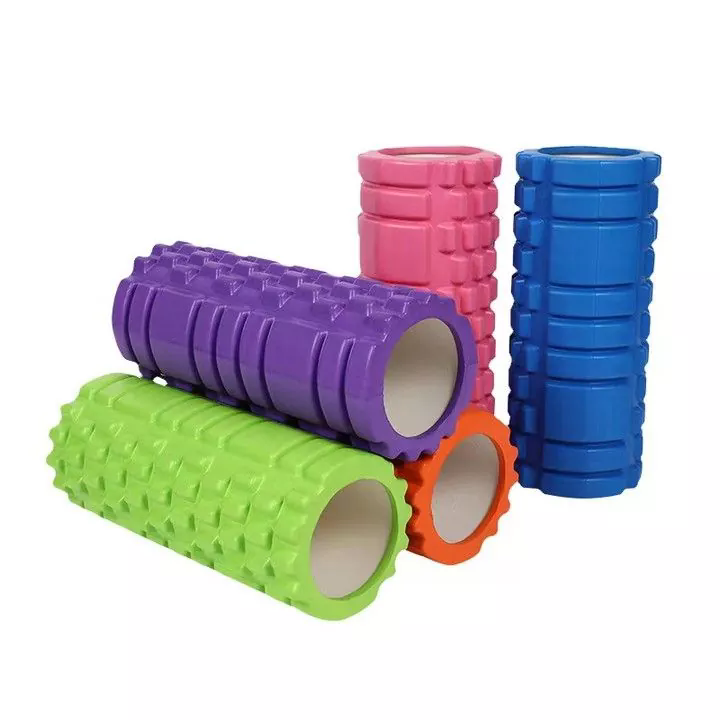
Table of Contents
- Introduction to Yoga Roller
- How Yoga Roller Works
- Key Benefits
- How to Use Yoga Roller Correctly
- Common Mistakes to Avoid
- Recommended Daily Routine
- Comparison Table
- Frequently Asked Questions
- Conclusion
Introduction to Yoga Roller
A yoga roller is a cylindrical fitness tool designed to apply controlled pressure on muscles and fascia. Unlike static stretching, it enables self-myofascial release, helping break down adhesions and improve blood circulation. It is commonly used in yoga studios, gyms, rehabilitation centers, and home fitness setups. Many users turn to yoga rollers to address issues such as tight shoulders, lower back discomfort, and post-exercise soreness.
How Yoga Roller Works
The yoga roller works by applying body weight onto targeted muscle groups. This pressure stimulates soft tissue release, improves oxygen flow, and encourages faster muscle recovery. When rolling over tight areas, the roller helps reduce trigger points—commonly known as muscle knots—allowing the body to regain natural movement patterns.
- Pressure Application: Uses body weight to compress muscle tissue
- Fascial Release: Helps loosen tight connective tissue
- Circulation Boost: Enhances blood and lymph flow
- Neuromuscular Reset: Improves movement efficiency
Key Benefits of Using Yoga Roller
Consistent use of a yoga roller can deliver significant physical improvements. It is not only a recovery tool but also a preventive solution for muscle imbalance and stiffness.
- Reduces muscle soreness after workouts
- Improves flexibility and joint mobility
- Helps correct posture issues caused by sedentary lifestyles
- Supports injury prevention by maintaining muscle elasticity
- Enhances yoga and athletic performance
For office workers, it helps counteract prolonged sitting. For athletes, it accelerates recovery cycles and reduces downtime between training sessions.
How to Use Yoga Roller Correctly
Proper technique is essential to maximize benefits and avoid discomfort. The following steps outline an effective approach:
- Start with light pressure and gradually increase intensity.
- Roll slowly over targeted muscle groups (avoid fast movements).
- Pause on tender points for 15–30 seconds.
- Maintain steady breathing to relax muscles.
- Avoid rolling directly on joints or bones.
Common target areas include the back, calves, hamstrings, glutes, and shoulders. Beginners should start with 5–10 minutes per session.
Common Mistakes to Avoid
While yoga rollers are simple tools, improper use can reduce effectiveness or cause discomfort.
- Applying excessive pressure too early
- Rolling too quickly over muscles
- Ignoring pain signals from the body
- Using incorrect posture during rolling
- Overusing the roller without recovery balance
Correct usage ensures long-term benefits without unnecessary strain.
Recommended Daily Yoga Roller Routine
A structured routine helps integrate yoga roller training into daily fitness habits. Below is a simple beginner-to-intermediate plan:
- Warm-up (2–3 minutes): Light rolling on back and shoulders
- Lower body (5 minutes): Hamstrings, calves, glutes
- Upper body (5 minutes): Upper back and shoulders
- Cool down (2 minutes): Gentle full-body relaxation rolling
Advanced users can extend duration or combine with yoga stretching for deeper mobility improvement.
Yoga Roller vs Traditional Stretching
| Aspect | Yoga Roller | Traditional Stretching |
|---|---|---|
| Muscle Targeting | Deep tissue and fascia | Surface-level muscle stretch |
| Recovery Speed | Faster recovery due to circulation boost | Moderate recovery effect |
| Flexibility Improvement | High and progressive | Moderate and static |
| Ease of Use | Simple self-application | Requires technique knowledge |
Frequently Asked Questions
Q1: How often should I use a yoga roller?
A: Most users benefit from using it 3–5 times per week, depending on training intensity and muscle stiffness.
Q2: Can beginners use a yoga roller safely?
A: Yes. Beginners should start with light pressure and short sessions to allow the body to adapt.
Q3: Is a yoga roller suitable for back pain?
A: It can help relieve mild tension-related back discomfort, but chronic pain should be evaluated by a professional.
Q4: What is the best time to use a yoga roller?
A: It is effective both before workouts (activation) and after workouts (recovery).
Conclusion
A yoga roller is more than just a fitness accessory—it is a practical recovery and mobility solution that supports modern lifestyles. By integrating it into daily routines, users can reduce muscle stiffness, improve flexibility, and enhance overall physical performance. Whether for fitness enthusiasts or individuals with sedentary jobs, the yoga roller provides a simple yet powerful method for maintaining body health and movement efficiency.
For high-quality yoga roller solutions designed for durability, comfort, and performance, explore professional-grade equipment from Boga Sports. To learn more or discuss customized fitness solutions, please contact us .