
How Long Should You Wear a Scoliosis Back Strap Brace Posture Corrector Each Day for Best Results
2026-06-17
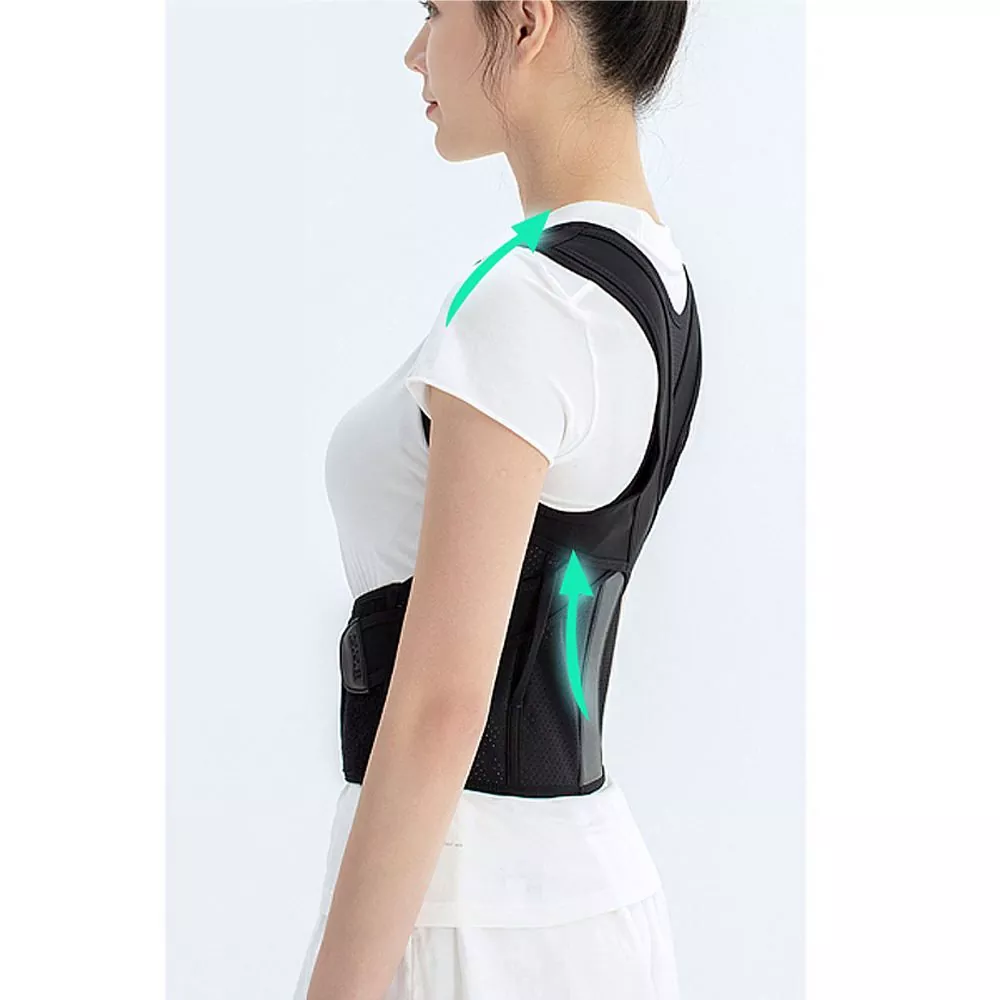
When you first unbox a Scoliosis Back Strap Brace Posture Corrector, the most common question isn’t about strap tension or fabric breathability—it’s about time. How many hours actually deliver measurable improvement without causing muscle dependency or skin irritation? Clinical orthotists and physical therapists agree that duration depends on curve severity, activity level, and individual tissue tolerance. However, general evidence-based guidelines do exist. At Chendong, we design our Scoliosis Back Strap Brace Posture Corrector with graduated compression zones, but even the best engineering fails if wear time is miscalculated. This guide breaks down daily wear protocols, adjustment milestones, and red-flag signals—so you can use your brace as an active training tool, not a passive crutch.
The 3-Phase Progressive Schedule (Evidence-Based)
Most users tolerate the brace best when they ramp up slowly. Jumping straight to 8 hours often causes rib discomfort, shallow breathing, or skin friction. Below is the clinically suggested weekly progression for a Scoliosis Back Strap Brace Posture Corrector:
| Phase | Daily Duration | Frequency | Goal |
|---|---|---|---|
| Week 1 (Adaptation) | 1 – 2 hours | 2 sessions/day | Tissue acclimation & strap adjustment |
| Week 2 (Strengthening) | 3 – 4 hours | 2–3 sessions/day | Postural muscle re-education |
| Week 3+ (Maintenance) | 4 – 6 hours | Continuous or split | Functional alignment during seated tasks |
Note: For adolescent mild scoliosis (Cobb angle < 25°), many specialists cap wear at 4 hours to avoid trunk muscle inhibition. For adult degenerative curves, 6 hours is often the upper threshold unless prescribed otherwise.
Factors That Change Your Optimal Daily Total
Wear time isn’t one-size-fits-all. The Scoliosis Back Strap Brace Posture Corrector interacts with your unique spinal geometry, respiratory pattern, and daily ergonomics. Consider these variables before setting a timer:
-
Curve location: Thoracic curves tolerate longer wear than thoracolumbar curves (which affect diaphragmatic excursion).
-
Occupation: Desk workers benefit from 4–5 hours during screen time; manual laborers may need 2–3 hours split across breaks.
-
Skin condition: Sensitive skin requires shorter initial sessions (≤ 90 minutes) with a cotton undershirt—Chendong includes breathable mesh panels specifically for this.
-
Exercise co-therapy: If you combine brace wear with Schroth or physiotherapy, reduce passive brace time by 1 hour to prevent over-reliance.
Real-World Daily Template (With Chendong Integration)
To make compliance practical, align brace wear with your highest-risk posture periods. Here is a sample daily layout using a Scoliosis Back Strap Brace Posture Corrector effectively:
| Time Block | Activity | Wear Duration | Chendong Tip |
|---|---|---|---|
| 9:00 – 11:00 AM | Computer work | 2 hours | Set a phone timer; remove for 10-min stretch |
| 1:00 – 3:00 PM | Post-lunch desk tasks | 2 hours | Loosen straps slightly after meals |
| 6:00 – 7:30 PM | Light walking / reading | 1.5 hours | Use the lowest tension setting |
Total daily: 5.5 hours – within the effective therapeutic window for most non-surgical candidates.
3 Critical Signs You’re Wearing It Too Long
Even with a premium Scoliosis Back Strap Brace Posture Corrector, over-wearing triggers compensatory patterns. Stop immediately and reduce duration if you experience:
-
Numbness or tingling in arms/fingers (indicates brachial plexus compression).
-
Shallow breathing or intercostal muscle fatigue (rib restriction).
-
Lower back aching that worsens after removal (core deconditioning).
When these occur, scale back to 2 hours daily for 3 days, then re-titrate upward by 30-minute increments. Chendong customer support provides free adjustment video consultations for exactly this scenario.
Scoliosis Back Strap Brace Posture Corrector FAQ – Common Questions
Q1: Can I wear my Scoliosis Back Strap Brace Posture Corrector for 8 hours continuously if I feel comfortable?
A: Comfort is not a reliable safety marker. Continuous 8‑hour wear often suppresses the deep spinal stabilizers (multifidus and rotatores), leading to rebound muscle weakness. Clinical guidelines from the Scoliosis Research Society recommend a maximum of 6 cumulative hours for flexible braces, with a mandatory 15‑minute break every 90 minutes to restore skin perfusion and proprioceptive feedback. If your daily routine demands longer coverage, split the 8 hours into three separate sessions (e.g., 3 + 3 + 2 hours) with active stretching in between. Chendong engineers our strap system with quick‑release buckles specifically to encourage these micro‑breaks.
Q2: How soon will I see posture improvements with daily use of a Scoliosis Back Strap Brace Posture Corrector?
A: Observable changes in resting standing posture typically appear between 4 to 6 weeks of consistent daily wear (minimum 4 hours/day, 5 days/week). However, the brace itself does not permanently reshape bone—it retrains the central nervous system’s habitual midline perception. You will first notice reduced shoulder asymmetry during mirror checks (around week 2), followed by decreased paraspinal muscle spasm frequency (week 4). For radiographic curve reduction, no flexible strap brace guarantees angular change; the primary benefit is functional alignment and pain modulation. Chendong recommends taking a front‑and‑side photo every 7 days under the same lighting to track your progress objectively.
Q3: Should I wear my Scoliosis Back Strap Brace Posture Corrector during exercise or physical therapy?
A: Generally, no. Dynamic activities like Pilates, swimming, or Schroth exercises require full spinal mobility and unencumbered proprioception to activate the correct muscle chains. Wearing the brace during exercise increases intra‑abdominal pressure unevenly and may alter movement kinematics, raising injury risk. The only exception is isometric wall‑sits or very slow trunk rotations under a therapist’s direct supervision. Remove your Chendong brace before any aerobic or resistance training, and re‑apply it immediately afterward during cool‑down stretching. This “exercise‑off, recovery‑on” pattern actually enhances the brace’s neuro‑educational effect.
Final Clinical Takeaway
Start low, go slow, and never chase hours—chase quality alignment. A Scoliosis Back Strap Brace Posture Corrector worn for 4 deliberate, well‑fitted hours beats 8 sloppy hours with loose straps every time. Track your comfort metrics, log your daily totals, and adjust based on your body’s feedback, not a fixed number. Chendong braces include a free wear‑log card and tension indicator marks to remove guesswork from your routine.
Ready to build your personalized wear schedule? Contact our Chendong orthopedic support team directly for a one‑on‑one fitting review and daily plan tailored to your curve type and lifestyle.