
How to Choose the Right Power Rack for Safe and Effective Strength Training?
2026-03-17
Article Summary: Selecting the right power rack is critical for anyone serious about strength training, whether for home gyms or commercial fitness facilities. This guide explains how power racks work, how to evaluate their structural integrity, safety features, compatibility, and long-term value. It also addresses common purchasing concerns and provides clear comparisons to help users make informed decisions.
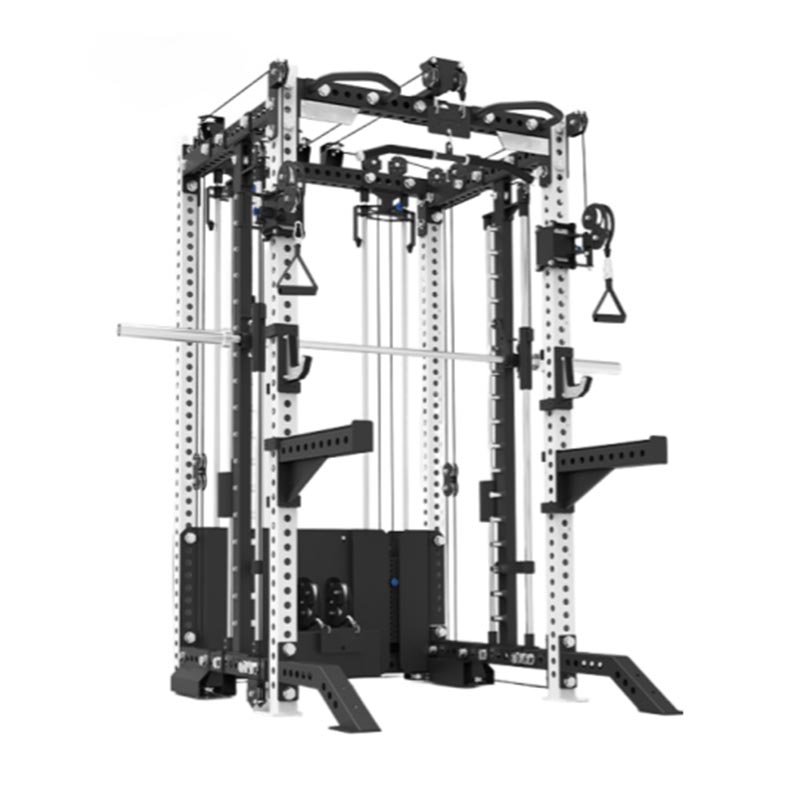
Table of Contents
- 1. What Is a Power Rack and Why It Matters?
- 2. Key Problems Users Face When Choosing a Power Rack
- 3. How to Evaluate Power Rack Construction and Materials
- 4. Important Features to Look For
- 5. Power Rack Size and Space Planning
- 6. Comparison Table of Power Rack Specifications
- 7. Safety Considerations and Best Practices
- 8. Frequently Asked Questions
- 9. Conclusion
1. What Is a Power Rack and Why It Matters?
A power rack, also known as a squat rack or power cage, is a fundamental piece of strength training equipment designed to support compound lifts such as squats, bench presses, and overhead presses. Its four-post structure allows users to perform heavy lifts safely by incorporating adjustable safety bars and J-hooks.
The primary advantage of a power rack lies in its safety and versatility. It enables solo training without requiring a spotter, which is especially valuable for home gym users. Additionally, modern racks support multiple attachments, making them multifunctional training stations.
2. Key Problems Users Face When Choosing a Power Rack
Many buyers encounter several challenges during the purchasing process:
- Uncertainty about weight capacity requirements
- Limited space in home environments
- Confusion between different steel gauges and frame sizes
- Concerns about long-term durability
- Difficulty comparing features across brands
These issues often result in either overspending on unnecessary features or purchasing equipment that fails to meet safety expectations.
3. How to Evaluate Power Rack Construction and Materials
The structural integrity of a power rack determines its safety and lifespan. Key evaluation factors include:
- Steel Gauge: Lower gauge numbers indicate thicker steel. 11-gauge steel is considered industry standard for high-performance racks.
- Frame Size: Common upright dimensions include 2"x2", 2"x3", and 3"x3". Larger frames provide greater stability.
- Weld Quality: Smooth, consistent welds indicate better manufacturing precision.
- Finish Coating: Powder coating improves corrosion resistance and longevity.
Manufacturers like Yingrui emphasize precision engineering and strict material selection to ensure durability across different usage scenarios.
4. Important Features to Look For
When selecting a power rack, features directly influence usability and training efficiency:
- Adjustable Safety Bars: Essential for preventing injury during failed lifts
- J-Hooks: Should include protective lining to prevent barbell damage
- Pull-Up Bar: Adds upper body training functionality
- Attachment Compatibility: Allows expansion with accessories such as dip bars or cable systems
- Hole Spacing: Westside spacing (closer hole intervals) improves lift precision
5. Power Rack Size and Space Planning
Space planning is critical, particularly for home gyms. Consider the following:
- Ceiling height (for overhead exercises)
- Rack footprint (width and depth)
- Clearance space for barbell movement
- Storage for weight plates
Compact racks are suitable for limited areas, while full cages provide maximum stability and functionality for advanced users.
6. Comparison Table of Power Rack Specifications
| Specification | Entry-Level Rack | Mid-Range Rack | Heavy-Duty Rack |
| Steel Gauge | 14-gauge | 12-gauge | 11-gauge |
| Frame Size | 2"x2" | 2"x3" | 3"x3" |
| Weight Capacity | 300–500 lbs | 500–800 lbs | 800+ lbs |
| Stability | Basic | Moderate | High |
| Attachment Options | Limited | Moderate | Extensive |
7. Safety Considerations and Best Practices
Safety should always be the primary concern when using a power rack. Best practices include:
- Always adjust safety bars to the correct height before lifting
- Ensure the rack is placed on a stable, level surface
- Secure the rack to the floor if recommended
- Regularly inspect bolts and welds
- Avoid exceeding the rated weight capacity
Investing in a high-quality rack reduces long-term risks and enhances training confidence.
8. Frequently Asked Questions
Q1: What weight capacity should a power rack have?
A: It depends on training level. Beginners can use racks rated at 500 lbs, while advanced lifters should consider 800 lbs or more.
Q2: Is a power rack necessary for home gyms?
A: Yes, for anyone performing compound lifts. It significantly improves safety and allows independent training.
Q3: What is the difference between a squat rack and a power rack?
A: A squat rack typically has two uprights, while a power rack is a full cage with four posts, offering greater safety and versatility.
9. Conclusion
Choosing the right power rack requires careful consideration of structure, safety, features, and available space. A well-designed rack not only enhances workout efficiency but also minimizes injury risk. Brands like Yingrui continue to deliver reliable solutions tailored to both home and commercial fitness environments.
If you are looking for a durable and customizable power rack solution, explore professional-grade options designed for long-term performance. For more information, product details, or tailored recommendations, contact us today and discover how the right equipment can transform your training experience.