
What Is the Difference Between a Neck Posture Corrector and a Back Brace
2026-07-31
When people start researching solutions for poor posture, they often encounter two popular products: Neck Posture Correctors and back braces. At first glance, both seem to do similar things—support your spine, pull your shoulders back, and ease discomfort. However, they target completely different areas of your body, serve distinct purposes, and are designed for very different usage scenarios. Choosing the wrong one can waste your money and, worse, fail to address your actual problem. This guide breaks down the clinical, functional, and practical differences so you can make an informed decision—whether you are shopping for yourself or considering Chendong ergonomic solutions for daily support.
Primary Target Zones: Cervical vs. Thoracolumbar Spine
The most fundamental difference lies in anatomy. A Neck Posture Corrector focuses exclusively on the cervical spine (your neck) and the upper trapezius muscles. It typically wraps around the base of your skull, the back of your neck, and sometimes clips onto your upper shoulders or clavicle. Its job is to realign your head over your shoulders, combating "forward head posture"—the modern epidemic caused by smartphone use and screen time.
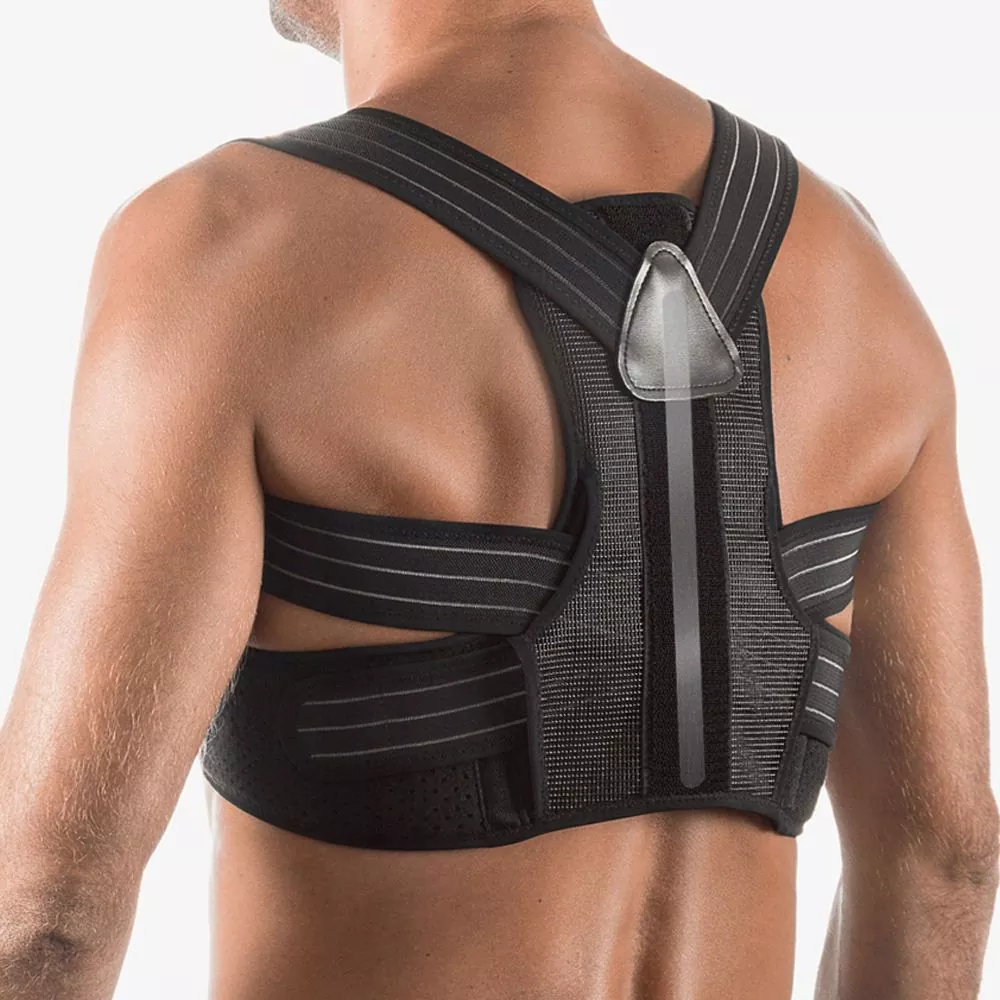
In contrast, a back brace (often called a posture corrector brace or lumbar support) targets the thoracic and lumbar regions—your mid-back and lower back. These devices wrap around your torso, pulling your shoulder blades together and supporting your lower spine. They are built to correct rounded shoulders and excessive kyphosis (hunchback), but they do very little for your neck alignment directly.
Functional Mechanisms: Pulling vs. Lifting
| Feature | Neck Posture Corrector | Back Brace |
|---|---|---|
| Primary Action | Gently pulls the chin back and head upward | Pulls shoulders back and supports the lumbar curve |
| Muscle Group Engaged | Deep neck flexors, suboccipital muscles | Rhomboids, erector spinae, latissimus dorsi |
| Wear Duration | 15–30 minutes per session (gradually increasing) | 2–4 hours (often worn during active work) |
| Immediate Effect | Reduces occipital pressure and jaw tension | Relieves mid-back ache and improves chest opening |
| Risk of Overuse | Neck muscle atrophy if worn too long | Core weakness and dependency if overused |
The table above clarifies that Neck Posture Correctors are rehabilitative tools for neuromuscular re-education, while back braces are more supportive and mechanical. A Chendong neck device, for example, uses gentle tension bands that remind your cervical muscles to stay engaged, whereas a back brace physically forces your spine into extension without teaching your muscles to hold that position.
Who Should Use Which?
You need a Neck Posture Corrector if you experience:
-
Frequent tension headaches that start at the base of your skull
-
A visibly forward-jutting chin when looking at screens
-
Neck stiffness that worsens by midday
-
Mild to moderate cervical radiculopathy (nerve pinching)
You need a back brace if you have:
-
Lower back pain from prolonged sitting or standing
-
Rounded upper back (thoracic kyphosis)
-
Post-surgical lumbar support requirements
-
Heavy lifting jobs that require extra spinal stability
Many people mistakenly buy a back brace hoping it will fix their neck pain—it won’t. Your neck carries an average head weight of 10–12 pounds; for every inch your head shifts forward, the load on your cervical spine doubles. Only a dedicated Neck Posture Corrector can address that specific biomechanical chain.
Can You Wear Both Together?
Yes, but with caution. Some patients with global postural dysfunction (e.g., ankylosing spondylitis or severe osteoporotic kyphosis) may benefit from wearing a back brace during the day and using a Neck Posture Corrector for short therapeutic sessions. However, stacking them simultaneously restricts natural spinal movement and may cause muscle guarding. Chendong recommends alternating: wear the back brace during active working hours and use the neck corrector during breaks or specific exercise routines.
FAQ: Common Questions About Neck Posture Correctors
Q1: How long does it take to see results from using a Neck Posture Corrector?
A1: Most users notice reduced neck tension within 3–5 days of consistent use (15–20 minutes daily). However, structural changes in cervical curvature typically require 6–12 weeks of daily practice. The device acts as a sensory cue—it reminds your brain to maintain neutral alignment. Without concurrent strengthening exercises (chin tucks, wall angels), the improvement may plateau. For lasting results, combine the corrector with active stretching and ergonomic workspace adjustments.
Q2: Can a Neck Posture Corrector make my pain worse if I have a herniated disc?
A2: Yes, it can—if used improperly. A Neck Posture Corrector applies traction and mild extension forces. If you have a cervical disc herniation that is posterior or foraminal, extension can exacerbate nerve compression. Always consult a physical therapist or orthopedist before using any neck device if you have known disc pathology. For non-surgical cases, start with the lowest tension setting and never wear it for more than 10 minutes in the first week. Stop immediately if you experience radiating pain, numbness, or tingling into your arms.
Q3: Are Neck Posture Correctors safe for elderly users with osteoporosis?
A3: They are generally not recommended without medical supervision. Osteoporotic cervical vertebrae are prone to microfractures under even moderate traction forces. The rigid frames in some Neck Posture Correctors can place undue pressure on the occipital bone and C1–C2 junction. If an elderly patient must use one, choose a soft, fabric-based model with adjustable elastic straps—never a rigid plastic brace. Limit wear to 10 minutes twice daily and monitor for any localized bone pain. A safer alternative for this population is isometric neck exercises without external devices.
Which One Should You Buy First?
If you have both neck and back pain, start with a Neck Posture Corrector. Why? Because forward head posture almost always precedes upper back rounding—it pulls your entire spine out of alignment from the top down. Correct the cervical position first, and your mid-back often follows suit. Many users at Chendong report that after 4 weeks of using a neck corrector, their lower back discomfort decreased by nearly 30% simply because their gait and sitting posture improved.
Conversely, if your primary complaint is lumbar fatigue or sacroiliac joint pain, invest in a quality back brace and pair it with core stability exercises. Never rely on either device as a permanent crutch—they are training aids, not replacements for muscle strength.
Final Verdict
| Criterion | Neck Posture Corrector | Back Brace |
|---|---|---|
| Best for | Neck pain, headaches, forward head | Lower back pain, slouching, lifting |
| Wear frequency | Short, frequent sessions | Longer, task-based sessions |
| Muscle training | Active (neuromuscular) | Passive (supportive) |
| Price range | $20–$60 (basic) | $30–$120 (with steel stays) |
Choosing between them is not about which is "better"—it is about matching the tool to your specific spinal segment. For most desk workers, a Neck Posture Corrector delivers faster relief because screen-time posture starts at the craniovertebral junction. For construction workers or drivers, a back brace offers more practical value.
Contact Us
Still unsure which device fits your daily routine? The Chendong support team provides free 15-minute posture assessments via video call—we analyze your sitting stance, head angle, and shoulder symmetry to recommend the exact product you need. Reach out to us through our official website or email us directly, and we will send you a personalized wear schedule within 24 hours. Your spine deserves professional attention—let us help you choose wisely.