

What Maintenance Does an Indoor Youth Gas Go-Kart Require Weekly
2026-06-16
Owning an Indoor Youth Gas Go-Kart is an exciting venture, whether you are managing a family entertainment center, a rental track, or simply nurturing a young racer’s passion. However, the thrill of speed comes with a responsibility: consistent, weekly maintenance. Unlike electric models, a gas-powered kart has a combustion engine, a drivetrain, and a fuel system that demand regular attention. A well-maintained Indoor Youth Gas Go-Kart not only performs better but also ensures the safety of young drivers. At Jindifan, we have engineered our karts for durability, but even the toughest machines need proper care. This weekly maintenance guide will help you keep your fleet or personal kart in peak condition, reducing costly repairs and extending the life of every component.
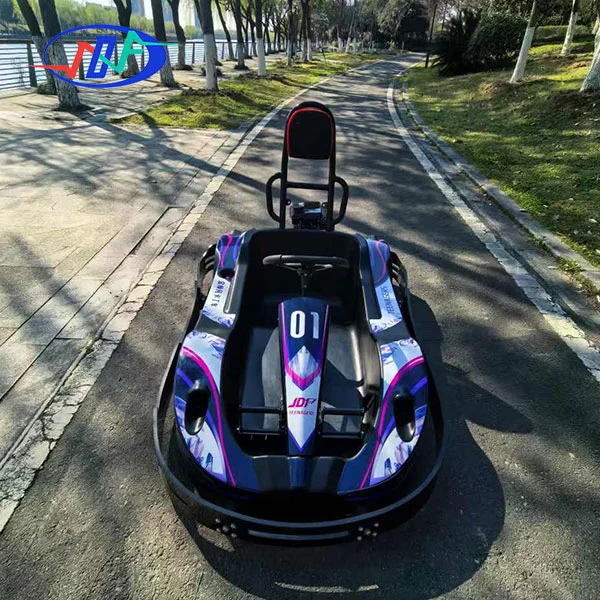
Weekly Maintenance Checklist for Your Indoor Youth Gas Go-Kart
Below is a professional, track-tested weekly routine. We recommend printing this checklist and logging each service date for every Indoor Youth Gas Go-Kart in your possession.
| Component | Weekly Action | Why It Matters |
|---|---|---|
| Engine Oil | Check level; top up or change if dark/gritty. | Lubricates moving parts; prevents seizure. |
| Air Filter | Remove, clean with compressed air, or replace. | Prevents dust from damaging the cylinder. |
| Spark Plug | Inspect electrode; clean or gap as needed. | Ensures reliable ignition and fuel efficiency. |
| Fuel System | Drain old fuel; refill with fresh 95+ octane mix. | Old fuel gums up carburetors and jets. |
| Tire Pressure | Inflate to recommended PSI (usually 18–22). | Affects handling, grip, and tire wear. |
| Brake System | Check brake pad thickness and fluid level. | Critical for rider safety on tight indoor turns. |
| Chain & Sprocket | Clean, lubricate, and check tension (½ inch play). | Reduces wear and prevents chain snaps. |
| Chassis Bolts | Torque all engine mount and axle bolts. | Vibration loosens fasteners over time. |
| Kill Switch | Test emergency stop function twice. | Mandatory safety feature for youth riders. |
Step-by-Step Weekly Procedure
1. Engine Oil & Lubrication
Start your Indoor Youth Gas Go-Kart and let it idle for 2 minutes to warm the oil. Turn it off, place it on a level stand, and dip the oil stick. The level should sit between the low and high marks. For Jindifan models, we recommend 10W-30 oil. If the oil appears milky or has metal particles, flush the system immediately—this indicates moisture or internal wear.
2. Air Filter Inspection
The indoor environment may seem clean, but tire dust and carpet fibers accumulate quickly. Remove the foam or paper filter element. For foam types, wash with soapy water, dry completely, and re-oil lightly. A clogged filter makes the engine run rich, reduces power, and increases fuel consumption by up to 15%.
3. Brake System Check
Indoor tracks have sharp corners. Squeeze the brake lever—it should engage firmly within the first 1/3 of travel. Inspect the disc for scoring. If the pad thickness is under 3mm, replace it. For hydraulic brakes, check the reservoir; top up with DOT 4 fluid if low. Never skip this step on any Indoor Youth Gas Go-Kart used by children.
4. Chain Tension and Lubrication
A loose chain can jump off the sprocket and lock the rear wheel—a serious hazard. With the kart on the ground, push the chain upward at the midpoint. It should move about ½ inch (12–15mm). Apply a dedicated chain lubricant (not WD-40) and wipe off excess to prevent fling-off onto the brake disc.
5. Fuel System Drain
Gasoline degrades within 7–10 days. If your Indoor Youth Gas Go-Kart sits unused for a week, drain the fuel tank into a certified container and run the engine until the carburetor is empty. Refill with a fresh pre-mix (if 2-stroke) or straight 95-octane (for 4-stroke). Jindifan strongly recommends using a fuel stabilizer to extend fuel life.
Indoor Youth Gas Go-Kart FAQ – Common Weekly Questions
Q: How often should I change the engine oil on my Indoor Youth Gas Go-Kart?
A: For weekly rental use, change the oil every 20 running hours or every two weeks, whichever comes first. For personal use with light driving (under 5 hours per week), a full oil change every 4 weeks is sufficient. Always change the filter simultaneously. Jindifan karts feature a magnetic drain plug—clean the magnet to capture ferrous debris. Use only API SN-grade oil; never use automotive additives, as they can clog the fine oil passages in youth-sized engines.
Q: What is the correct spark plug gap, and why does it matter weekly?
A: For most Indoor Youth Gas Go-Kart engines (GX160 or similar clones), the gap should be 0.6–0.7mm (0.024–0.028 inches). Check this weekly because electrode erosion widens the gap, causing hard starts and misfires under load. Use a feeler gauge—do not guess. If the porcelain is cracked or has heavy carbon deposits, replace the plug immediately. A fresh plug improves throttle response and reduces unburned fuel emissions indoors.
Q: Can I use regular automotive antifreeze in my Indoor Youth Gas Go-Kart radiator?
A: Only if your model is liquid-cooled. Most youth gas karts are air-cooled, so they have no radiator. For Jindifan liquid-cooled variants, never use pure antifreeze—mix a 50/50 ratio with distilled water. Weekly, check the overflow tank while the engine is cold. Top up if below the "Low" mark. Never open the radiator cap when hot; pressure can cause severe burns. If you notice pink or oily residue, have the head gasket inspected immediately.
Troubleshooting Weekly Warning Signs
| Symptom | Likely Cause | Weekly Fix |
|---|---|---|
| Hard starting after 3 pulls | Old fuel or dirty air filter | Drain fuel; clean/replace filter |
| Blue smoke on acceleration | Excess oil in crankcase | Drain and refill to correct level |
| Sputtering at high RPM | Clogged main jet or spark plug gap | Remove carb jet; clean with carb spray; re-gap plug |
| Rear wheel drags | Chain too tight or brake caliper stuck | Adjust chain to ½" play; lubricate caliper pins |
Why Choose Jindifan for Your Fleet?
Jindifan has over a decade of experience in manufacturing durable, youth-focused gas karts. Our engines feature tool-free access to the air filter and spark plug, cutting weekly maintenance time by 30%. Every Indoor Youth Gas Go-Kart from Jindifan comes with a color-coded maintenance decal, helping young racers learn basic checks under supervision. We also provide a dedicated spare parts kit with pre-gapped spark plugs and pre-oiled filters—so your weekly routine becomes a 20-minute task, not a two-hour headache.
Final Pro Tips for Longevity
-
Log every service – Use a simple notebook or app. Record oil changes, plug replacements, and any unusual noises.
-
Train young riders – Teach them to report vibrations, odd smells, or sluggish acceleration immediately.
-
Store properly – After the weekly session, run the engine with the fuel valve closed until it stalls. This empties the carburetor bowl and prevents varnish buildup.
-
Inspect the floor pan – Indoor tracks often have debris. Check under the seat for loose screws or cracked plastic that could snag clothing.
Contact Us for Expert Support
Keeping your Indoor Youth Gas Go-Kart race-ready is our priority at Jindifan. If you need a customized weekly maintenance chart, replacement parts, or have questions about our 2026 youth kart lineup, our technical team is here to help. Contact us today via our website live chat or email [email protected]—we respond within 4 business hours. We also offer remote video diagnostics for complex issues. Do not wait for a breakdown; reach out now and let Jindifan keep your karts running safely, week after week.