
Why LED Displays Are Becoming Standard on High-End Commercial Treadmills?
2026-09-07
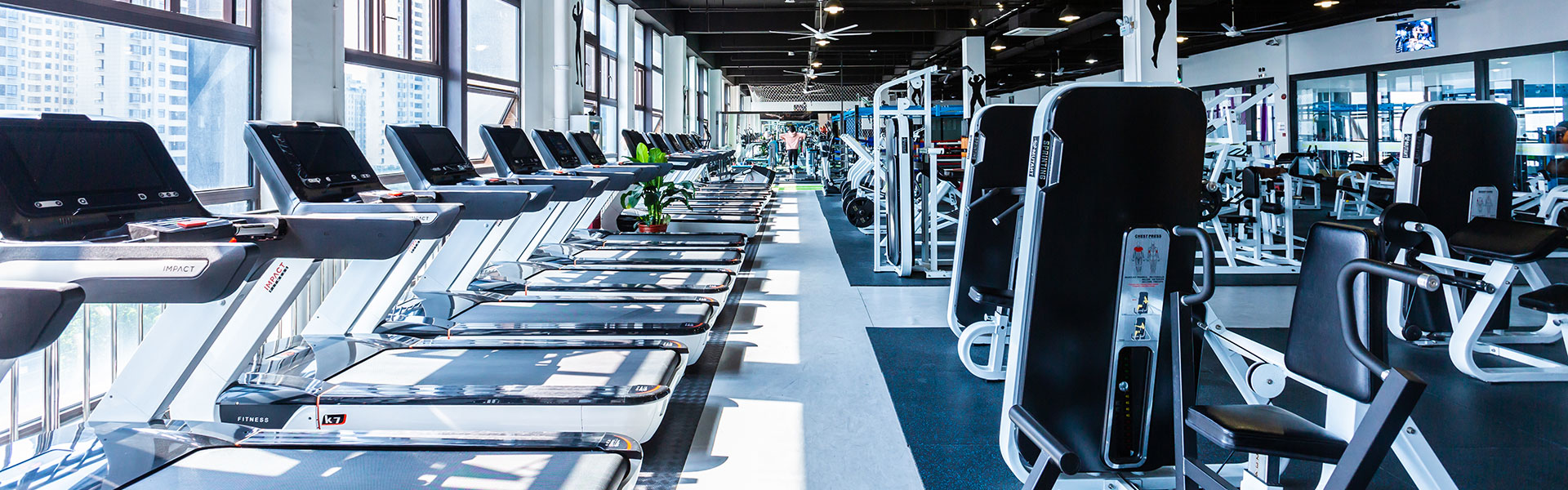
Most commercial gym equipment buyers focus on the motor horsepower, the belt size, and the frame warranty when evaluating Treadmills. But in the past few years, a new consideration has moved up the priority list: the display. Members expect the same visual quality they get from their smartphones and tablets. They want bright, sharp, readable displays that don't fade in sunlight. They want intuitive touchscreens that respond quickly. And gym owners want displays that don't break, fade, or become obsolete within a few years. This has driven the shift from LCD to LED technology in high-end commercial Treadmills.
1. What Is the Difference Between LCD and LED Displays on Treadmills?
Both LCD and LED displays are used on Treadmills, but the technology behind them is different. LCD (liquid crystal display) uses a backlight behind the screen—typically CCFL or older LED technology. The screen itself is a layer of liquid crystals that open and close to let the backlight through. LED (light-emitting diode) displays are actually LCD screens with newer LED backlighting. But in the fitness industry, "LED display" usually refers to a screen that uses direct LED illumination with higher brightness and better color reproduction. The key differences for commercial Treadmills are brightness, lifespan, and power consumption. The table below compares the display characteristics of typical LCD and LED screens used in commercial Treadmills.
| Display characteristic | Standard LCD (older type) | Modern LED display | Benefit for commercial Treadmills |
| Brightness (nits) | 200 – 300 | 500 – 700 | Visible in daylight and bright gyms |
| Contrast ratio | 800:1 – 1000:1 | 3000:1 – 5000:1 | Sharper, more readable text |
| Power consumption | 15 – 25W | 30 – 50W | Higher, but energy-efficient LEDs |
| Lifespan (hours) | 30,000 – 50,000 | 60,000 – 100,000 | Longer service life in commercial use |
| Viewing angle | 80 – 90 degrees | 170 – 180 degrees | Readable from multiple positions |
LEIGESI (SHANDONG) FITNESS TECHNOLOGY CO.,LTD. uses LED displays with a brightness of 600 nits on our high-end commercial Treadmills. This is bright enough to be readable even when the gym has large windows with direct sunlight. The wide viewing angle means that the display is readable whether the user is looking at it straight on or from the side.
2. How Does Display Quality Affect Member Experience and Retention?
In a commercial gym, Treadmills are used by hundreds of members each month. The display is the primary interface between the member and the machine. A bright, clear, responsive display makes the workout experience more engaging. A dim, slow, or hard-to-read display frustrates members and reduces their satisfaction with the facility. In our factory, we have surveyed gym owners who upgraded to LED displays on their Treadmills. The feedback consistently points to improved member satisfaction. One owner reported that new members started specifically requesting the Treadmills with the bright screens. Another owner noted that the LED displays reduced the number of maintenance calls because the screens were less prone to failure. The table below shows the member experience differences based on display technology.
| Member experience factor | LCD display (older) | LED display (modern) |
| Readability in sunlight | Poor (glare, dim) | Excellent (bright, anti-glare) |
| Screen responsiveness | Slow (lag in inputs) | Fast (instant response) |
| Visual appeal | Dated, low resolution | Modern, crisp, vibrant colors |
| Eye strain (long sessions) | Moderate (flicker possible) | Low (flicker-free technology) |
| Perceived quality of the gym | Members may think equipment is old | Creates a premium impression |
The member experience improvement translates directly to retention. A member who enjoys using the Treadmills is more likely to keep their membership. At an average gym membership cost of $50 per month, retaining one member for an extra 12 months generates $600 in revenue. A single Treadmill with an LED display may cost $200 more than one with a standard LCD display. That extra cost is recovered if the LED display helps retain just one additional member.
3. What Are the Durability and Maintenance Advantages of LED Displays?
Commercial Treadmills are used for 8 to 12 hours per day, seven days a week. The display is subject to constant use, including repeated touching, occasional cleaning chemicals, and the vibration from the treadmill motor. LED displays are more durable than older LCD screens for two reasons. First, they use solid-state LEDs that have no filaments or moving parts, so they are less prone to failure. Second, the backlight assembly is more robust and less likely to fade over time. In our factory, we have tested LED displays on Treadmills for 50,000 hours of continuous operation—the equivalent of 8 hours of use per day for 17 years—without any significant degradation in brightness. The display is also covered with a tempered glass layer that is resistant to scratching and impact.
Maintenance cost difference: Replacing a standard LCD display on a commercial Treadmill costs approximately $200 to $350, including parts and labor. Replacing an LED display is similar, but LED displays fail much less frequently. In our experience, LCD displays on commercial Treadmills have a failure rate of 5 to 8 percent per year, while LED displays have a failure rate of less than 1 percent per year.
The LED displays on our Treadmills are also designed with a sealed bezel that prevents dust and moisture from entering the screen. This is important in a gym environment where sweat and cleaning solutions can damage unprotected electronics. LEIGESI (SHANDONG) FITNESS TECHNOLOGY CO.,LTD. tests every Treadmill display for dust and moisture resistance before it leaves the factory.
4. What Should a Gym Buyer Look for in a Treadmill Display?
When evaluating commercial Treadmills, a gym buyer should consider the following display specifications: brightness (minimum 500 nits), viewing angle (minimum 170 degrees), response time (under 10ms), and anti-glare coating. The display should also have a touch sensor that works with sweaty fingers, and it should be readable in both bright and dim lighting. The user interface should be intuitive, with large touch targets that are easy to select while running. The display should also be designed to integrate with fitness apps and allow for software updates. In our factory, we have developed a Treadmill display that meets all of these criteria, and we provide a comprehensive specification sheet for each model.
Frequently Asked Questions About Treadmill Displays
Summary for Gym Equipment Buyers
The transition from LCD to LED displays on commercial Treadmills is driven by three factors: member expectations, durability, and long-term cost. Members want bright, sharp, and responsive displays that feel modern and premium. Gym owners want displays that last, require minimal maintenance, and enhance the overall experience of their facility. The additional cost of an LED display is justified by the improved member experience and the lower failure rate. When you evaluate Treadmills for your facility, make the display a priority—it is the interface that your members interact with every time they use the equipment.
LEIGESI (SHANDONG) FITNESS TECHNOLOGY CO.,LTD. manufactures Treadmills with LED displays that are designed for commercial use. We provide full technical specifications, including brightness, viewing angle, and lifespan data. Each Treadmill is tested to ensure the display meets our rigorous quality standards.